
Pika Demography On Niwot Ridge
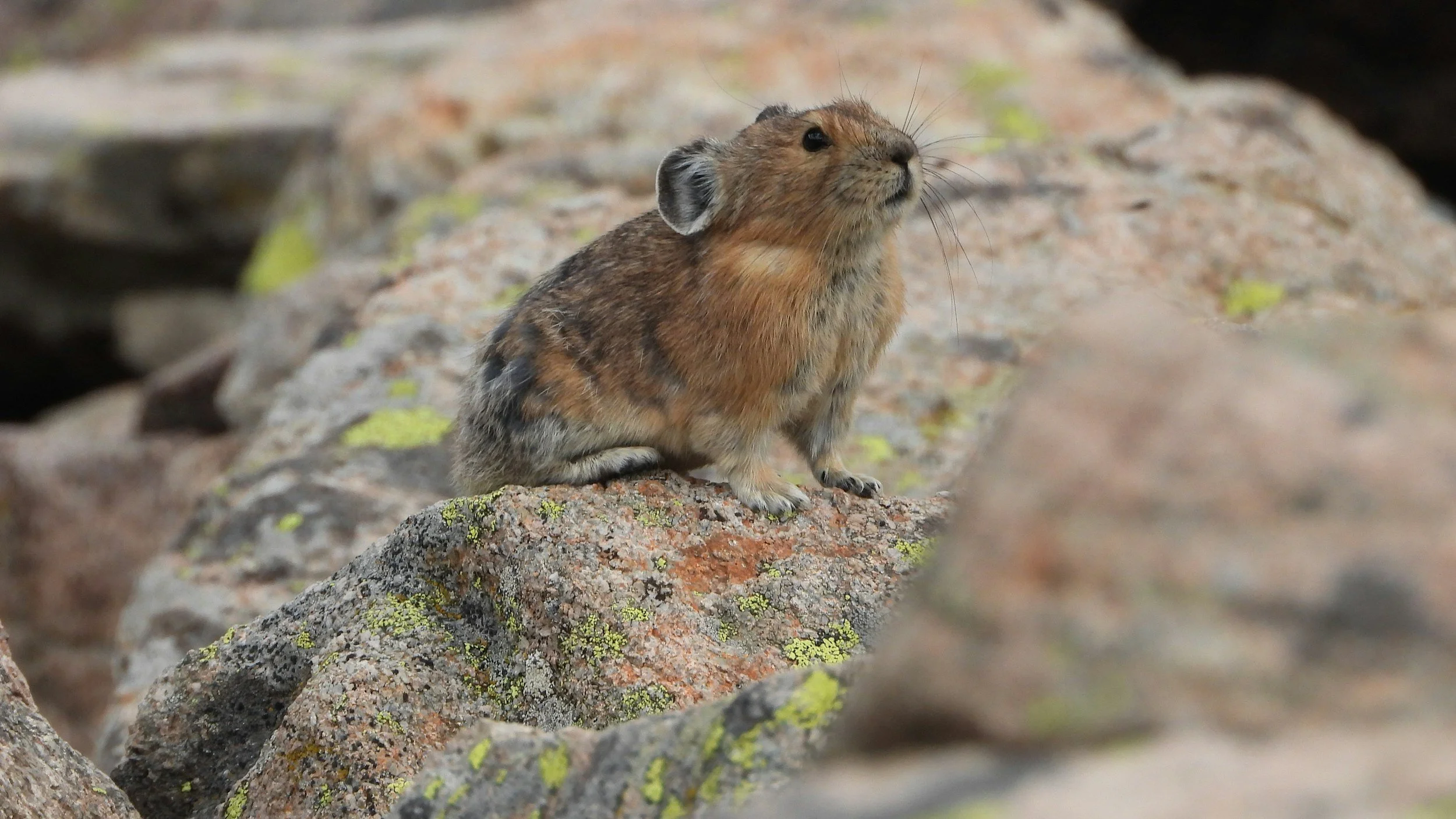
Long-term demographic data collected on Niwot Ridge indicates that populations of the American pika (Ochotona princeps) are in severe decline due to increasing temperatures in the alpine (Ray and Vidrio, 2025). To learn more, explore two of our long-term pika population datasets from the Ridge, visualized below.
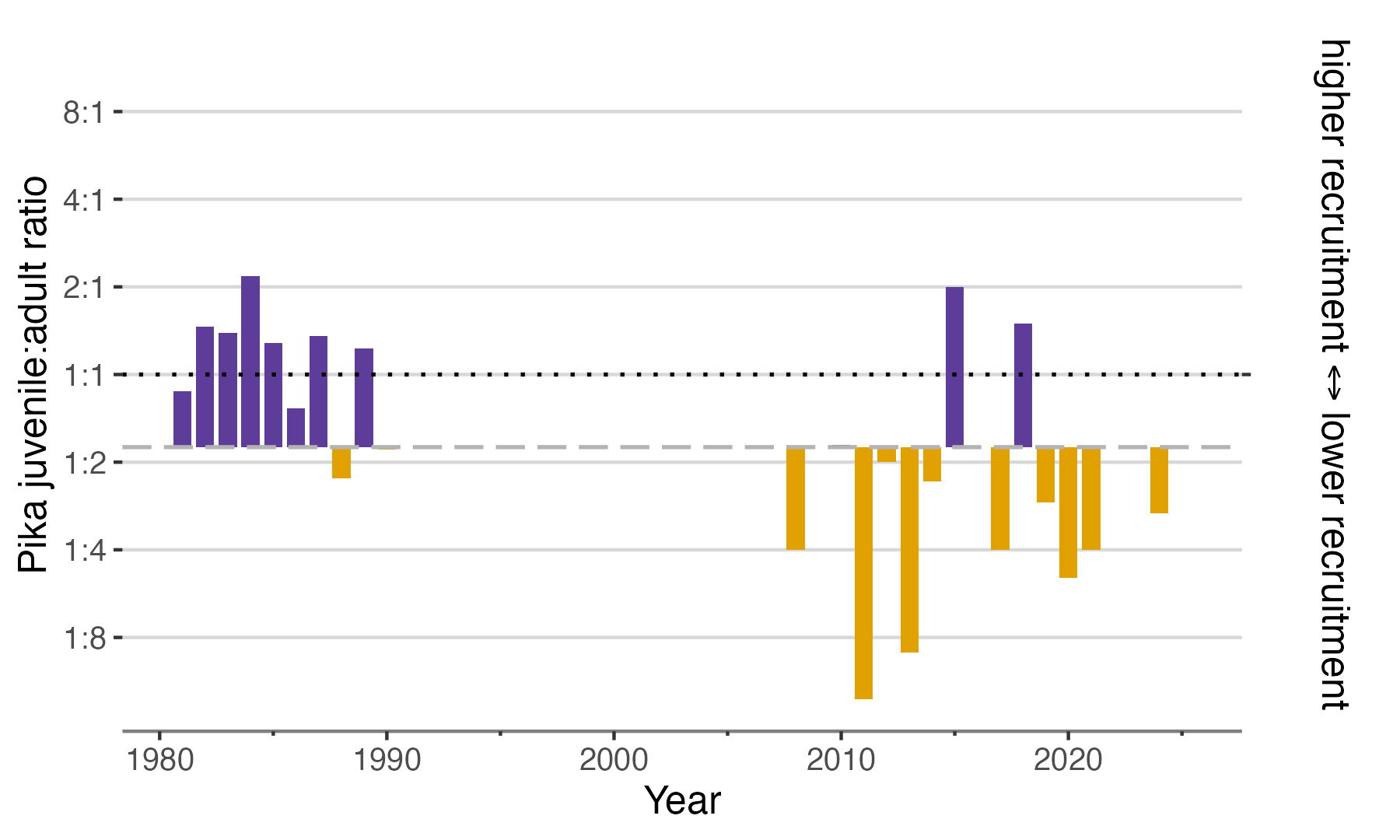
Anomalies in Pika Recruitment by Year
Recruitment—the rate at which young pikas join the population of territory-holding adults— is a demographic metric that integrates fecundity (birth rate) and survival. The figure below visualizes annual recruitment of American pika on the West Knoll of Niwot Ridge. Recruitment is plotted as a ratio of juveniles to adults relative to the long-term mean, indicated by the dashed gray line. Data for years with higher recruitment than average fall above the gray line and are in purple, while data for years with lower recruitment than average fall below the gray line and in gold. The dotted black line marks the 1:1 ratio, where juveniles and adults are captured in equal numbers. Years above this line had more juveniles captured than adults, while years below this line had fewer juveniles captured than adults.
Download Pika Recruitment Data and Code
The long-term data and code used to make the figures on this page are publicly available on GitHub and the Environmental Data Initiative Portal.
*Figures, content, and data on this page may be used with proper citation.
about Pika Recruitment Data From Niwot Ridge
Field Site:
The long-term demographic data on American pika visualized on this page comes from the West Knoll of Niwot Ridge (Fig 1), an alpine field site located at roughly 3,600 m.
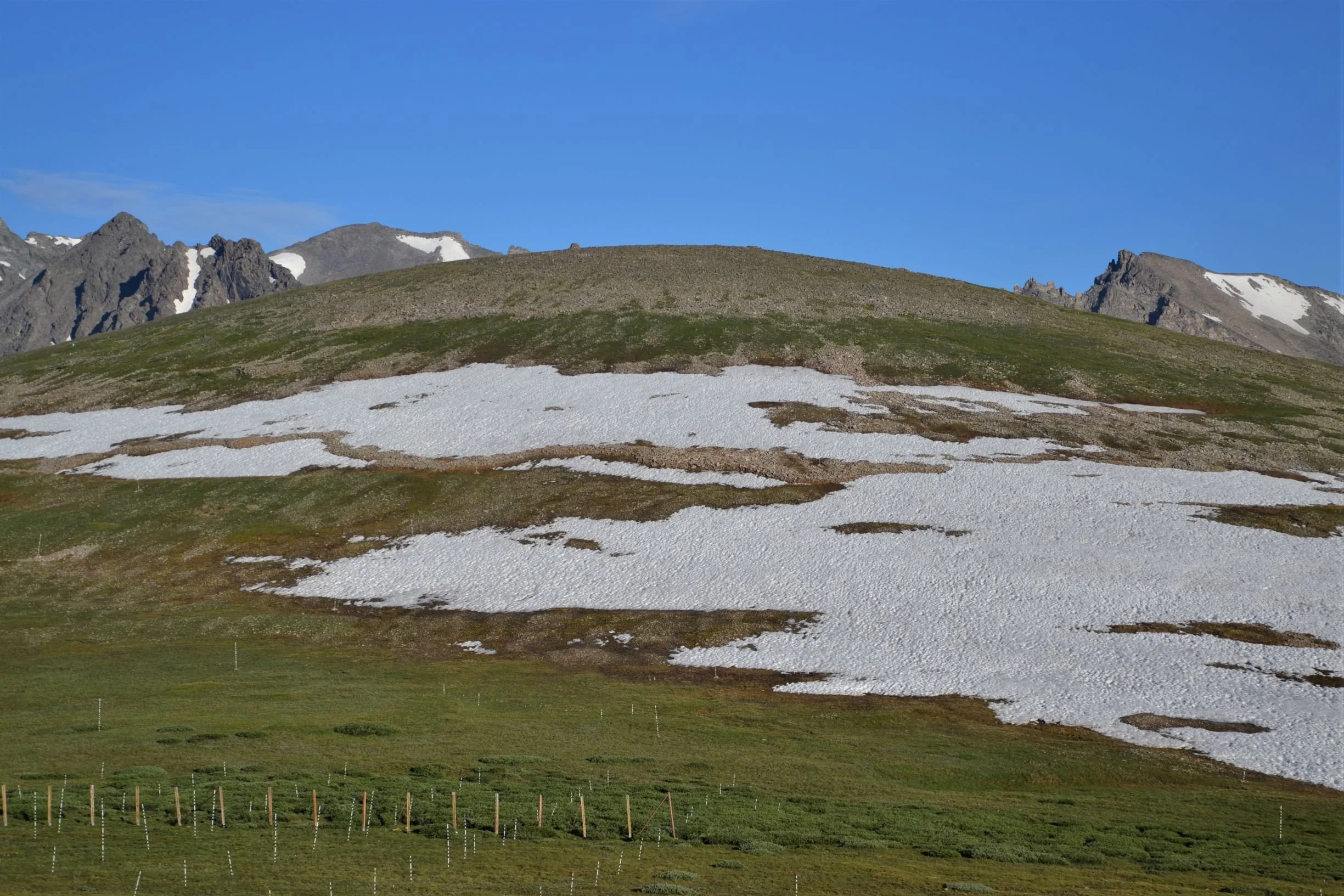
Figure 1: The West Knoll of Niwot Ridge. Photo by Chris Ray.
Data Collection:
Between 1981 and 1990, American pikas (Ochotona princeps) were live trapped during the late summer of each year on Niwot Ridge using Tomahawk wire-mesh traps. Traps— selectively placed in areas with fresh pika sign— were set during the day and were checked every 2 hours. After determining sex, age, reproductive status, weight, and health, trapped pikas were permanently tagged and released. In 2008, demographic data collection resumed and continues through the present. In late summer of each year, pikas are captured in Tomahawk traps (Fig 2), anesthetized (Fig 3), sampled for demographic and physiological studies, marked with colored ear-tags (Fig 4), and released at point of capture (Fig 5).
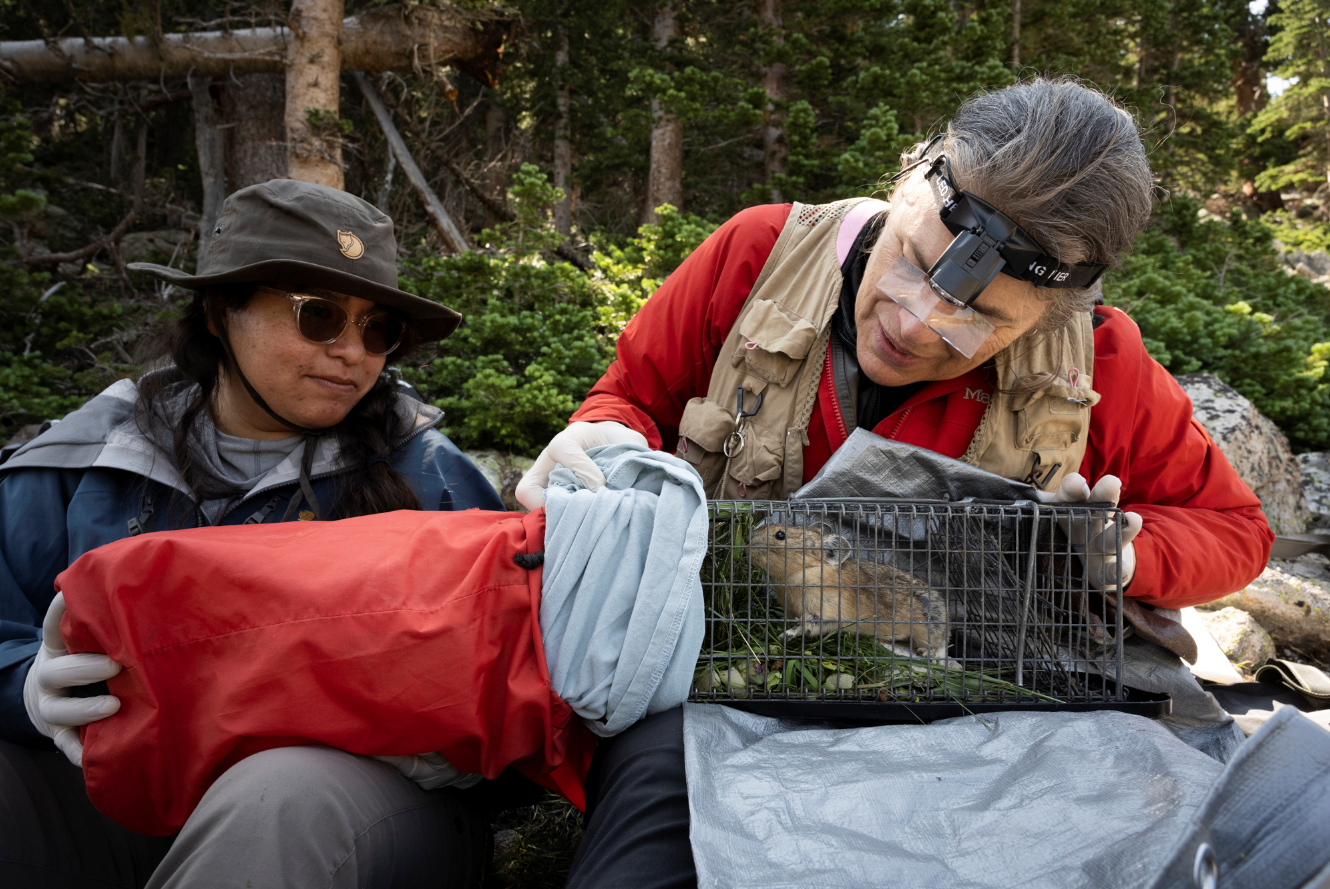
Figure 2: American pikas are captured using Tomahawk traps. CU Boulder researchers Chris Ray and Airy Peralta examine an American pika captured as part of their long-term demographic study on Niwot Ridge. Photo by Kristi Odum.
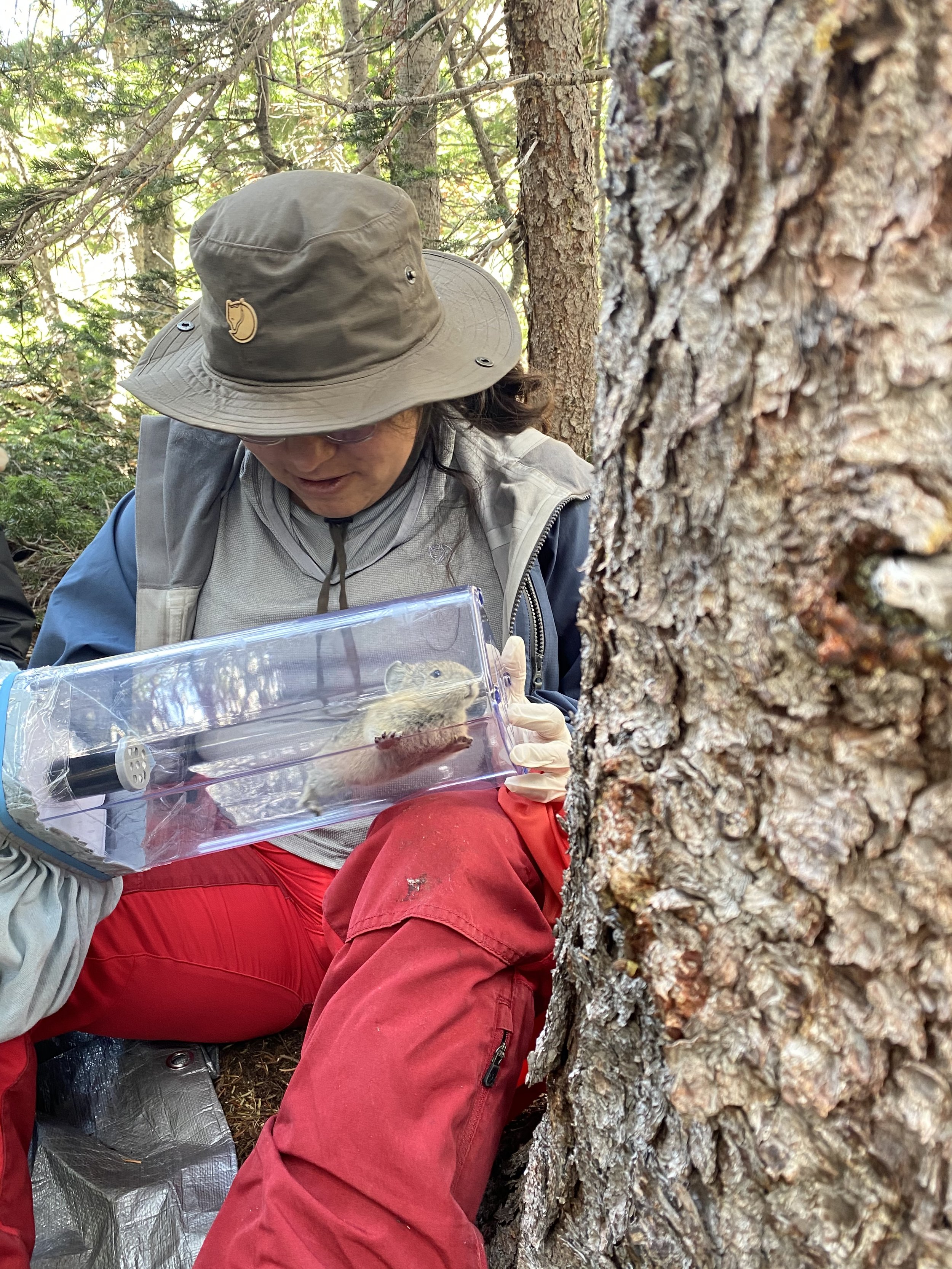
Figure 3: Researchers anaesthetize pikas prior to handling. Airy Peralta uses an induction chamber containing isoflurane to anaesthetize a pika prior to demographic sampling. Photo by Chris Ray.
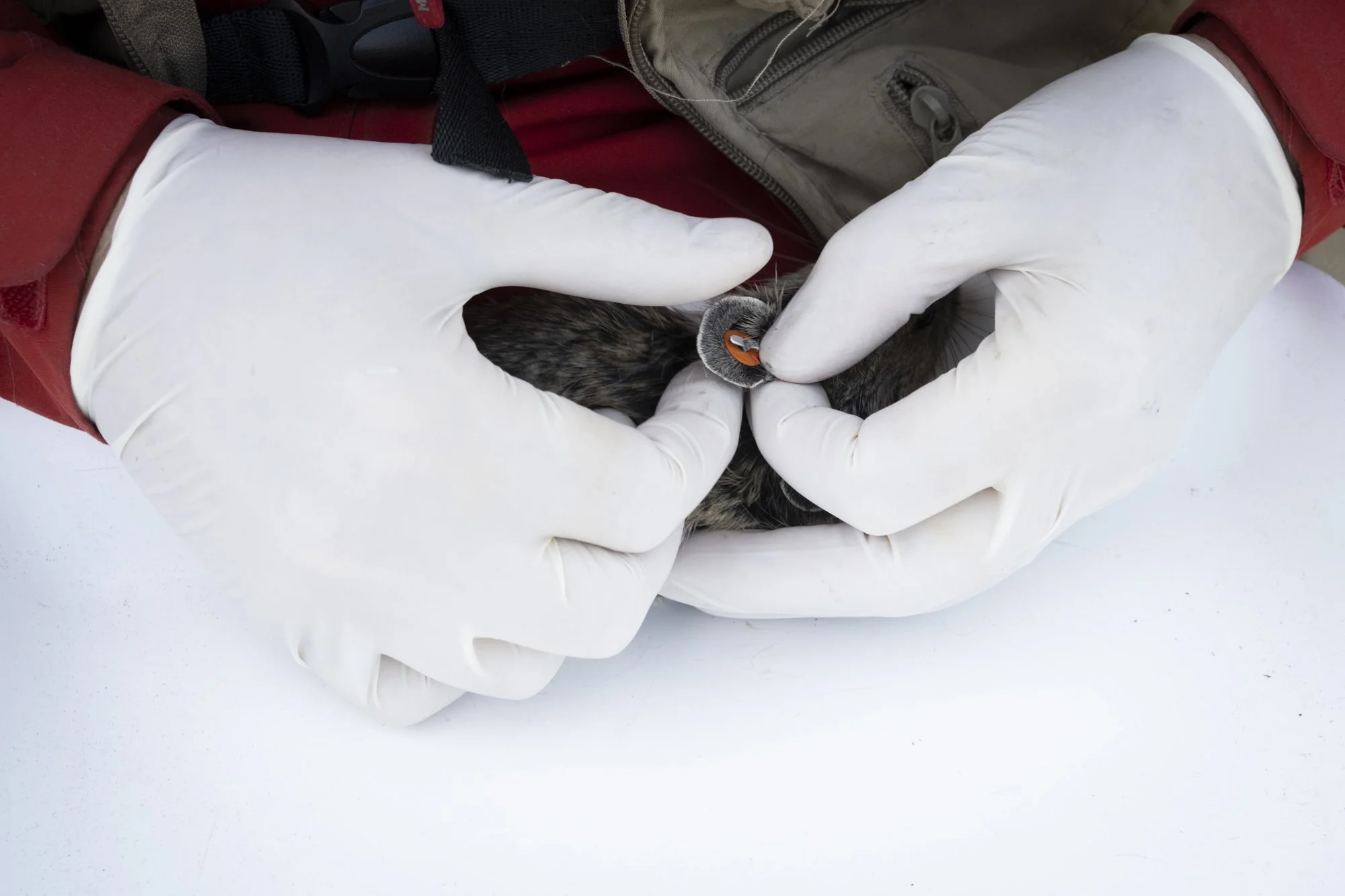
Figure 4: Ear-tags attached to each captured pika allow researchers to track individuals through time. Photo by Chris Ray.
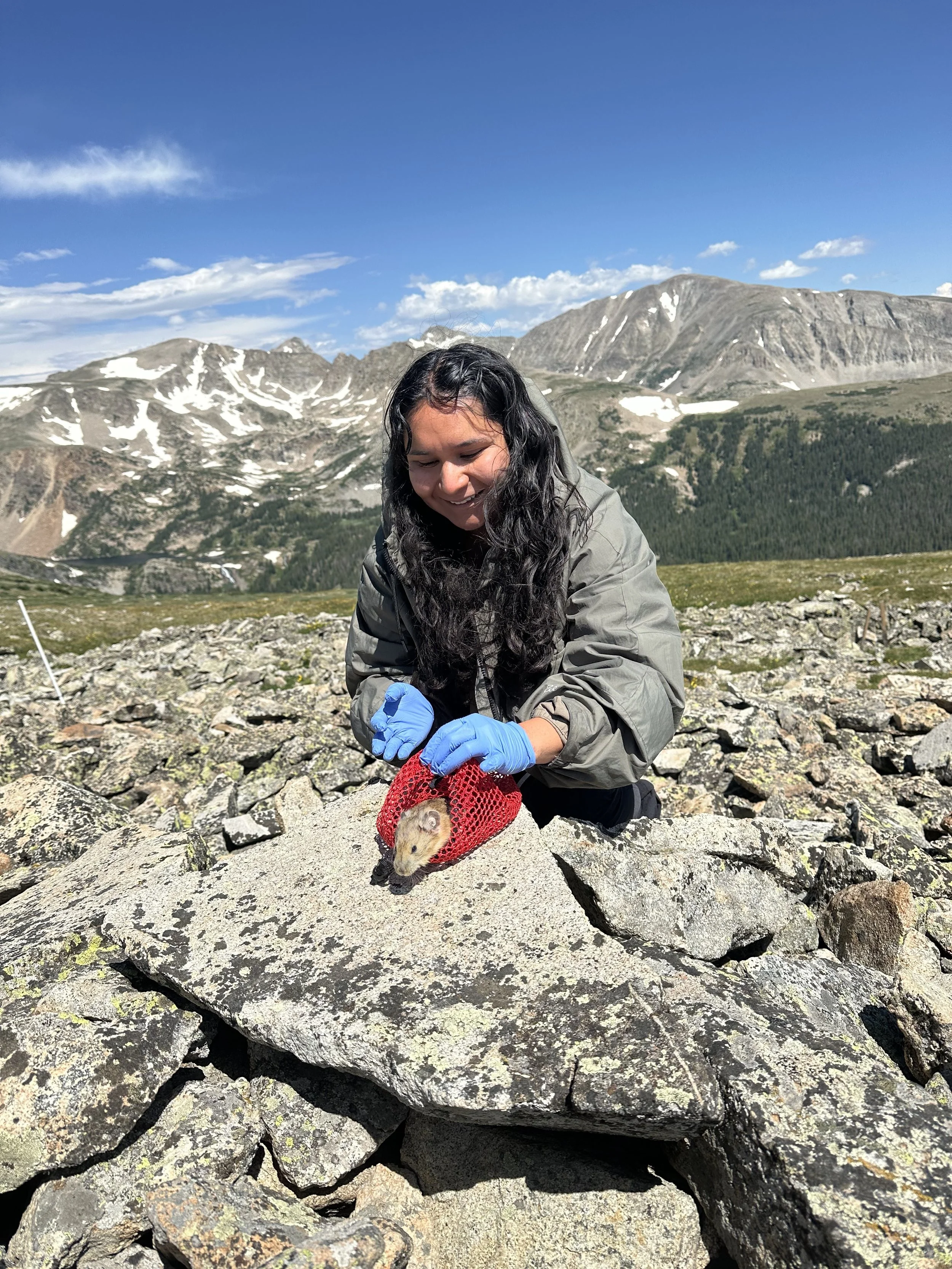
Figure 5: After tagging and sampling, pikas are released where they were captured. Lizzy Osterhoudt releases an American pika on the West Knoll of Niwot Ridge. Photo by Chris Ray.
How To Cite Data and Figures On this page
The Niwot Ridge LTER welcomes use of the figures and content on this page when accompanied by the following citation:
Niwot Ridge LTER. 2026. Data Dashboard. Retrieved from https://nwt.lternet.edu/pika-demography.
We also welcome use of the data linked to on this page when accompanied by the following citations:
Pika Demographic Data from 1981-1990:
Halfpenny, J., C. Ray, and Niwot Ridge LTER. 2025. Small mammal species composition data for Niwot Ridge, 1981 - 1990. ver 6. Environmental Data Initiative. https://doi.org/10.6073/pasta/129b75c156d4e825e691b6d5ed401300
Pika Demographic Data from 2008- Present:
Ray, C. and Niwot Ridge LTER. 2025. Pika demography data for west knoll and Indian Peaks wilderness, 2008 - ongoing. ver 9. Environmental Data Initiative. https://doi.org/10.6073/pasta/702d00888da15e13ce9a6daf36dcc06d
These Niwot Ridge data packages are hosted on the Environmental Data Initiative Data Portal. Data packages include additional detailed information about where and how our pika demographic data are recorded and processed.
Contact Us
If you have questions about the data presented on this page, please email the Niwot Ridge LTER. To learn more about research, education, and outreach conducted by the Niwot Ridge LTER, please visit our website.